2008 Package Bees For Sale
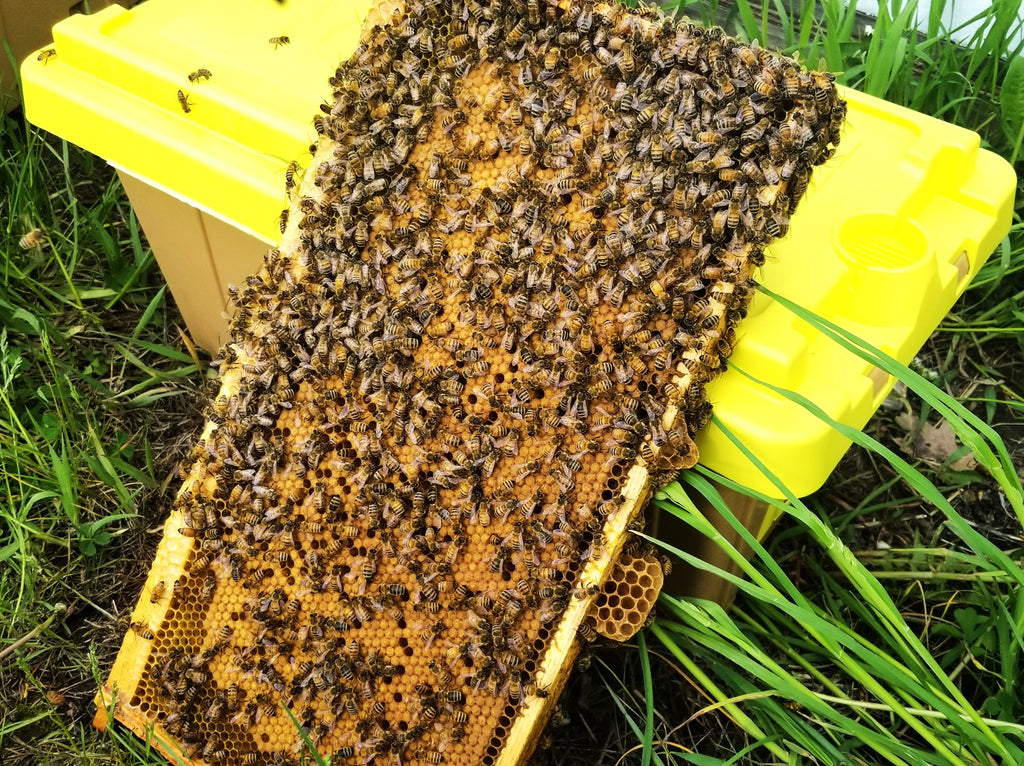
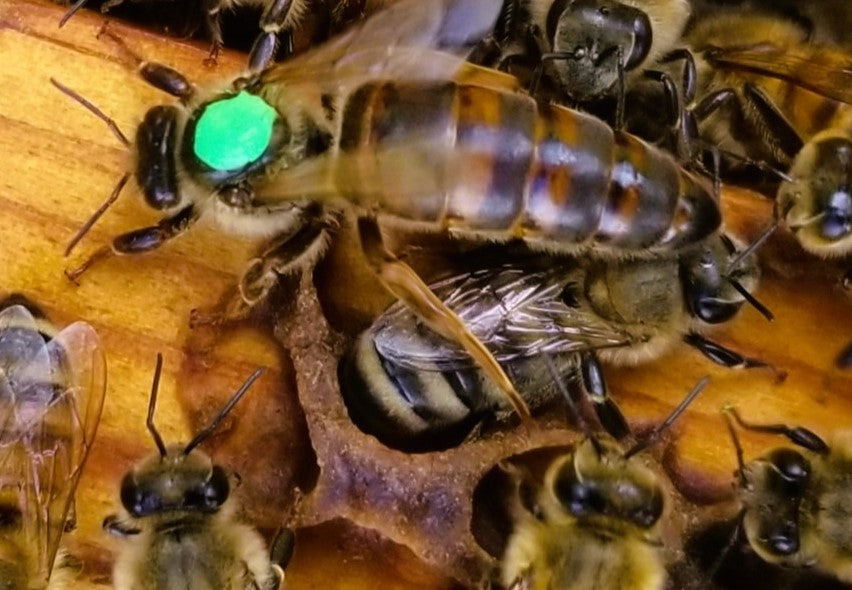
In addition to our normal 2# and 3# pkgs., we are also offering a 4# pkg. with two queens. I can give a decent price on the 4# unit. You need some know-how to handle the 4#. You will be splitting the bees into two units. Call me if you have questions. Phil Ebert 641-527-2639
Click Here For Prices!
We also will have a limited number of 4-frame nucs. Call for price and availability. Phil Ebert(641)527-2639 or EHoney@eberthoney.com

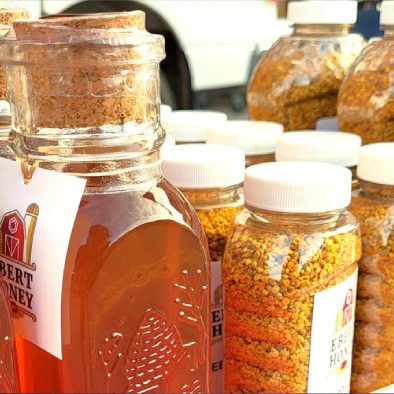
Look for Ebert Honey in a store near you!
![]()
A Year With Honeybees

This popular 35min. video is available on either VHS tape or DVD. It follows beekeeper Dick Blake through an entire production season. Produced by the Iowa Honey Producers Association, the video starts with spring feeding and ends with the barrels of honey being loaded on the truck.
There is good information here for beekeepers of every level. Available for $22.50. That includes shipping within the Continental U.S. Make checks payable to Ebert Honey.
Send Check or Money Order to:
Ebert Honey Co.
14808 102nd Ave. E.
Lynnville, IA 50153
![]()
Honey by the Barrel

Ebert Honey has honey for sale by the bucket or the barrel.
Give us a call!
![]()
Building the Business:
Phil Ebert began Ebert Honey in 1980 with only about ten colonies, and they sat in the backyard of his Fairfield home. At that time, one five gallon bucket of honey seemed like a large amount. Once the honey was bottled, it was mainly sold out of the house.

Although keeping bees began as a hobby, the amount of time and money committed to making honey gradually increased over the years.
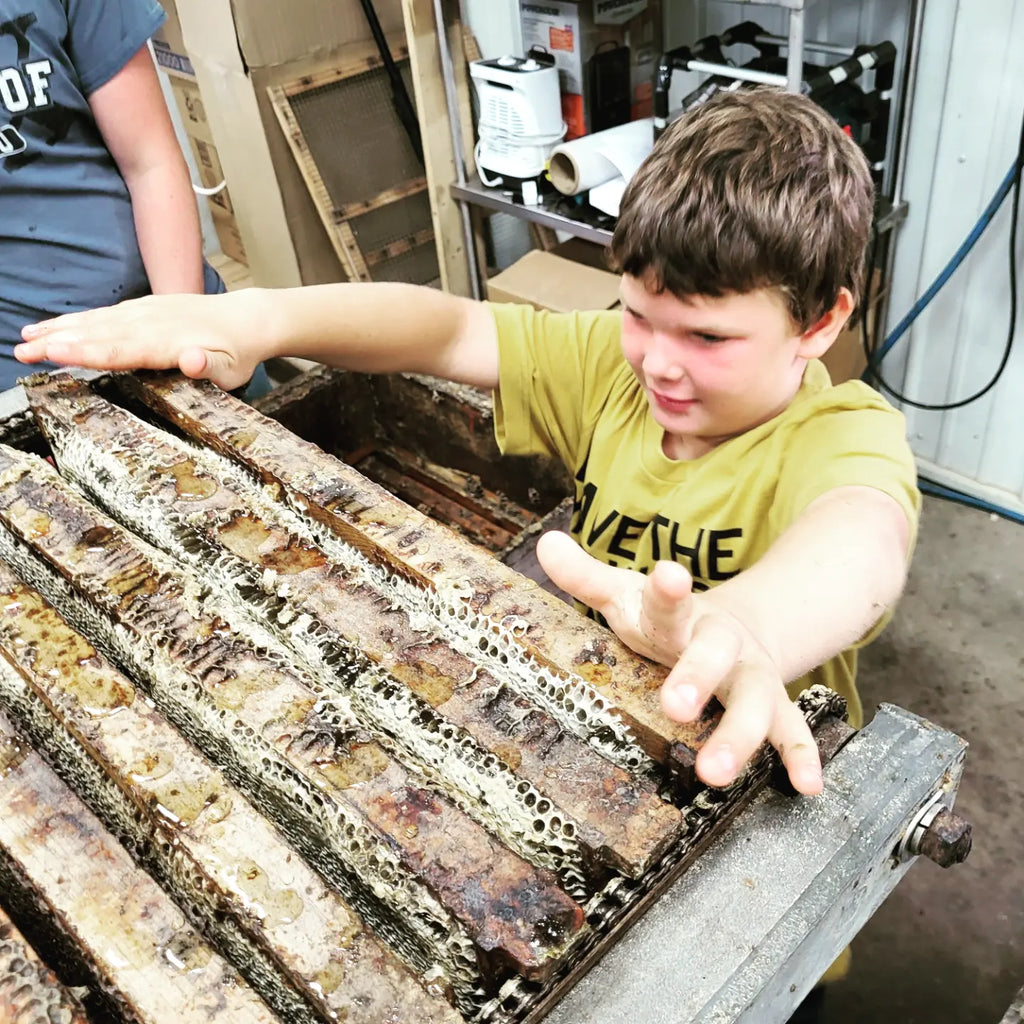
Today, Ebert Honey maintains nearly 600 hives which produced 90,000 pounds of honey in 2005. Processing and bottling takes place in a steel building erected in 1996 to house the expanding business.
Today, the vast majority of Ebert Honey is sold in Central Iowa grocery stores and bakeries. Additional revenue is derived from pollination services in orchards.
Why buy Ebert Honey?
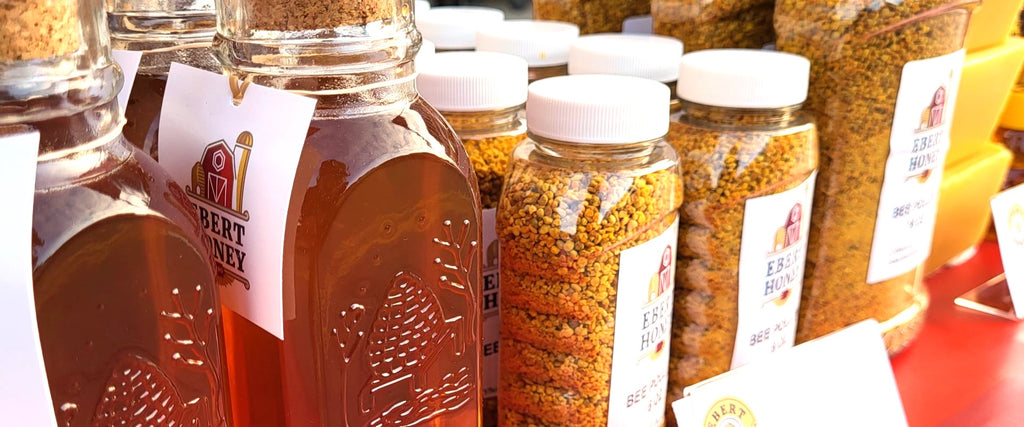
Ebert Honey is entirely unadulterated. The finished product is exactly the same as when the bees first made it. Our honey is not forced through pressure filters so we can process it with very little heat. This better preserves the natural enzymes and flavor.
![]()